Stone.co · Pagar.me
Making chargeback disputes worth a merchant's time
ClientStone.co · Pagar.me
RoleProduct Designer
Timeline2022-2023
Responsibilities
– End-to-end design of the chargeback experience– Support ticket analysis and competitive benchmarking– Designed dispute, tracking, and batch submission flows– Usability testing with high-impact merchants– Defined the metrics tracked after launch– Delivered against the Pagar.me design system and accessibility standards
Overview
I led the design of the chargeback management experience for Pagar.me, Stone.co's online payment platform, with support from fellow product designer Amadeus Schaaf, turning a manual, email-based dispute process into a self-service dashboard where merchants track, contest, and win back chargebacks.
43.5%
Fewer chargeback support tickets18%
More disputes submittedR$2.8M+
Additional revenue disputed per yearPagar.me, chargebacks, and why merchants lose money twice
Context
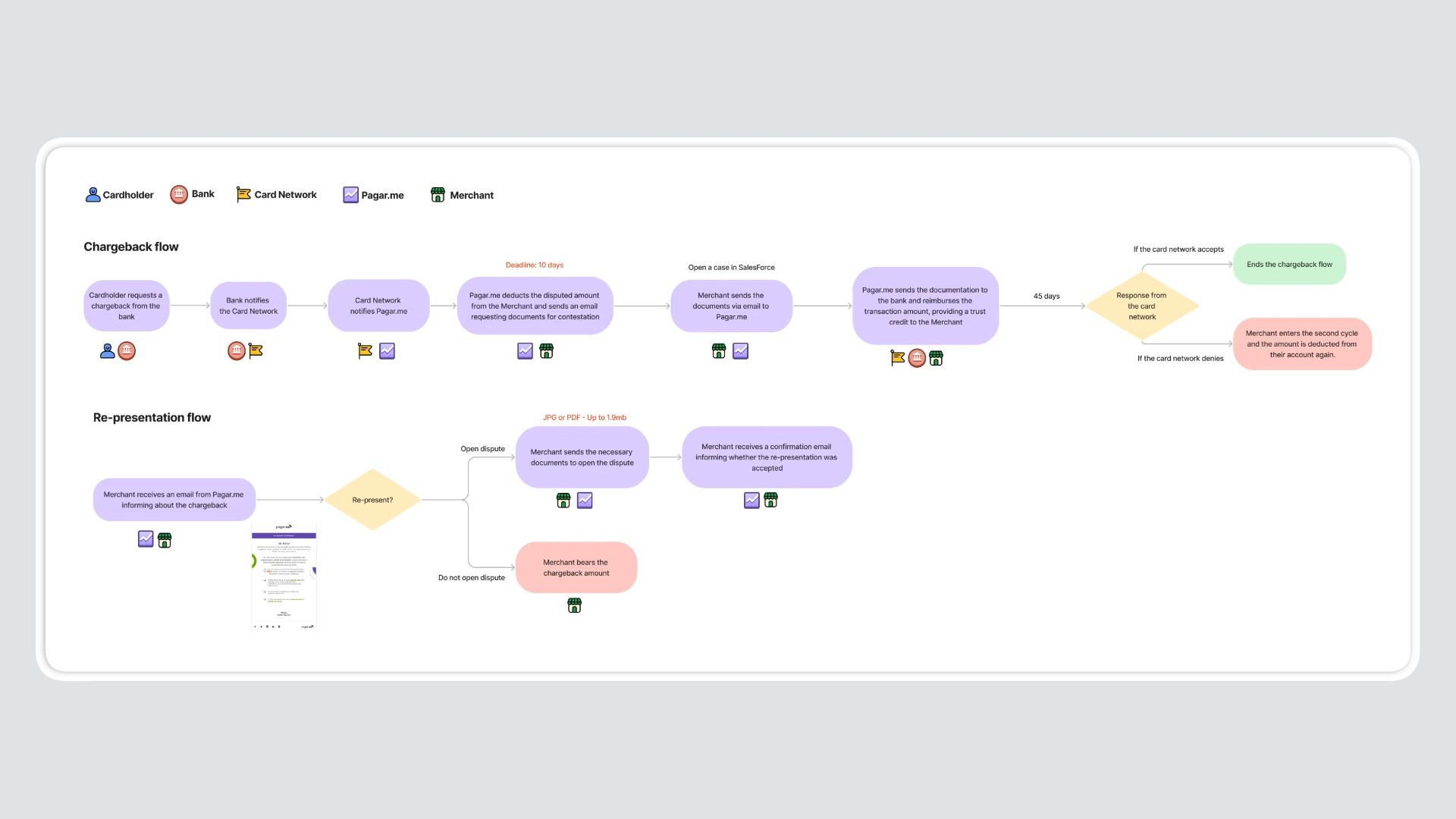
Pagar.me is Stone.co's online payment platform, processing transactions for thousands of Brazilian merchants. When a buyer disputes a purchase with their card issuer, the merchant receives a chargeback: the sale is contested and the money is held until the dispute is resolved.Merchants can fight back by submitting documentation that proves the sale was legitimate, a process called re-presentation. Handled well, it protects revenue and reputation. Handled badly, it means losing sales that were never fraudulent in the first place.
Chargebacks were growing 40% a year, and merchants were giving up
Problem
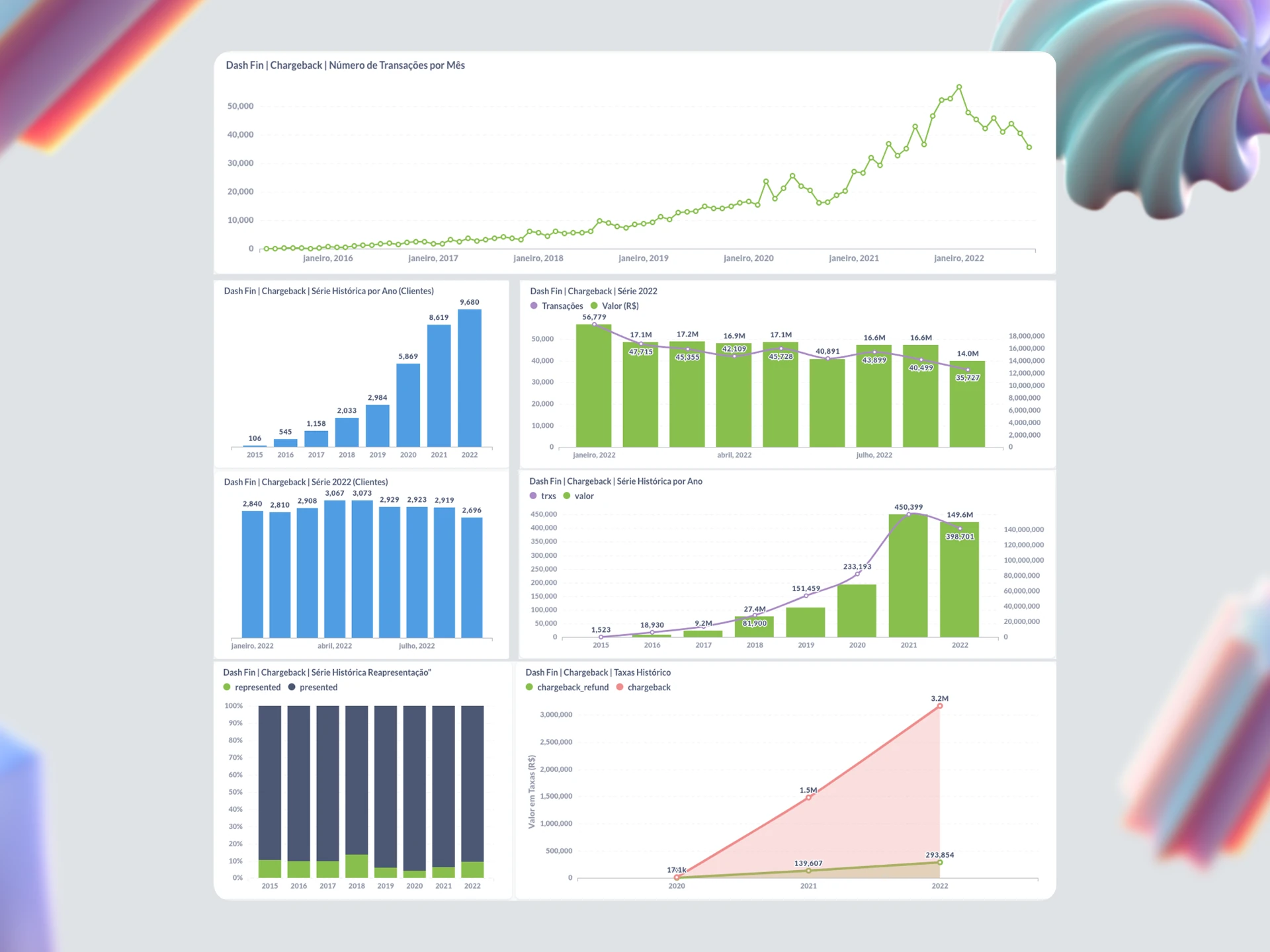
Chargebacks were rising around 40% per year, yet only 10% were ever disputed, and support received more than 900 chargeback requests every month. The reason was the process: the only way to contest a chargeback was by email, manual and opaque, so most merchants simply absorbed the loss.
Merchants wanted to fight chargebacks, the process just wasn't worth it
Research insight
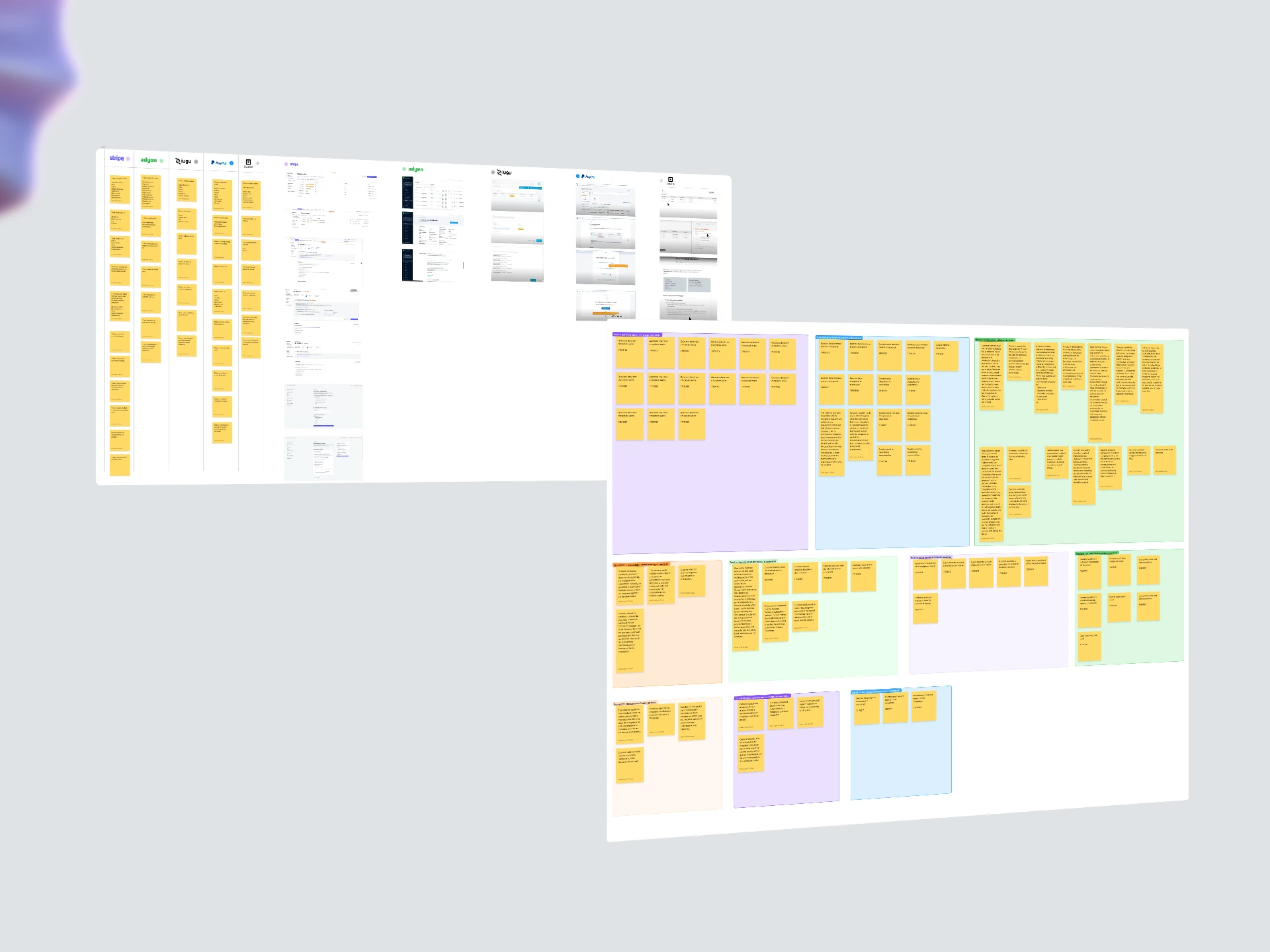
We started with the support tickets themselves, analyzing hundreds of monthly requests, then benchmarked five market leaders including Stripe, Adyen, and PayPal. The appetite to dispute existed. The experience punished it. Three pains kept surfacing:
ManagementManaging chargebacks was confusing.
ProcedureThe dispute procedure was unclear.
ProgressThere was no way to track progress.
The decisions that turned email threads into a dashboard
Decision 01
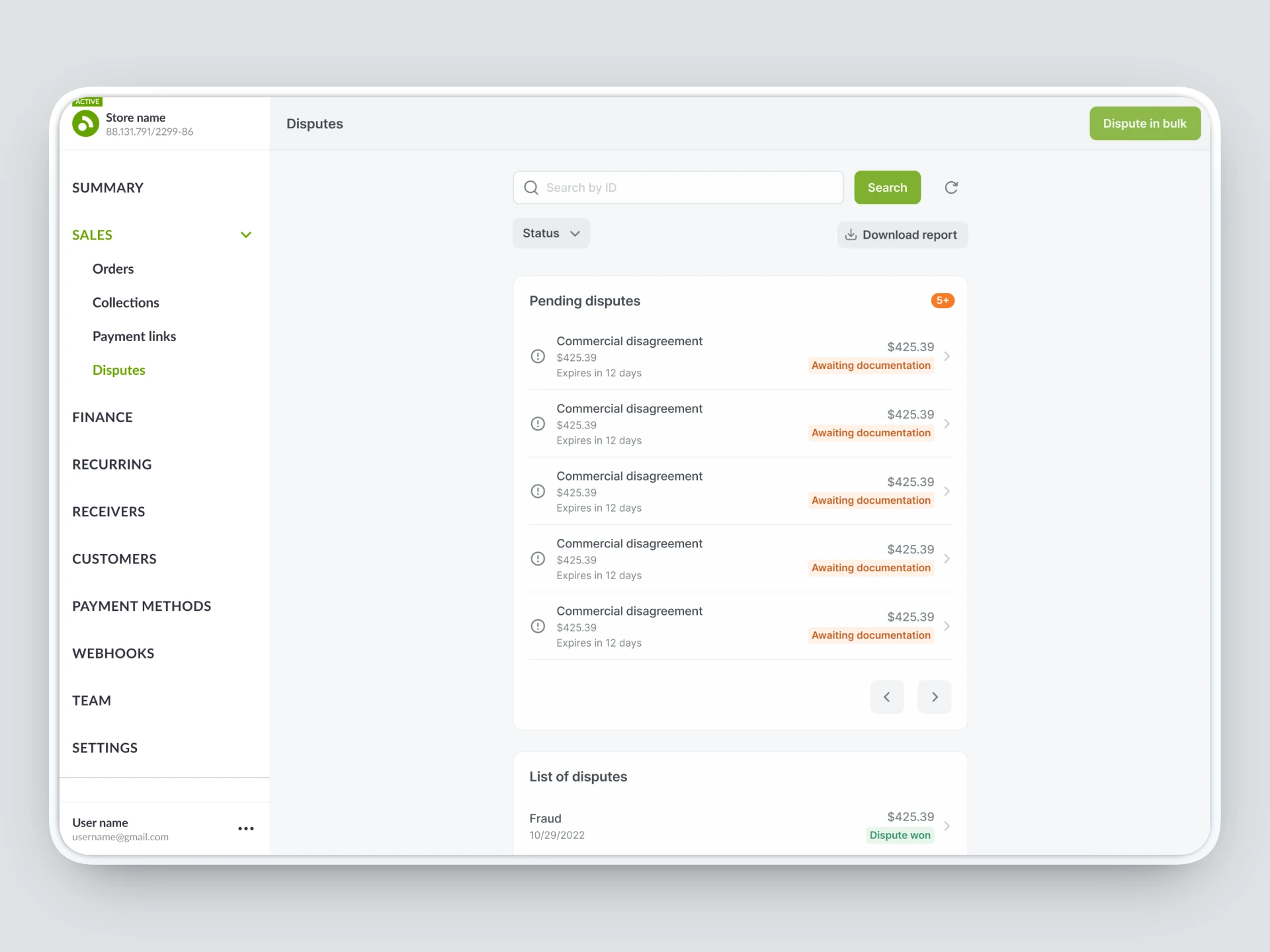
We centralized every chargeback in one place
Chargebacks lived in email threads and spreadsheets. A dedicated section brought the full dispute list, key metrics, filters, and export into one view.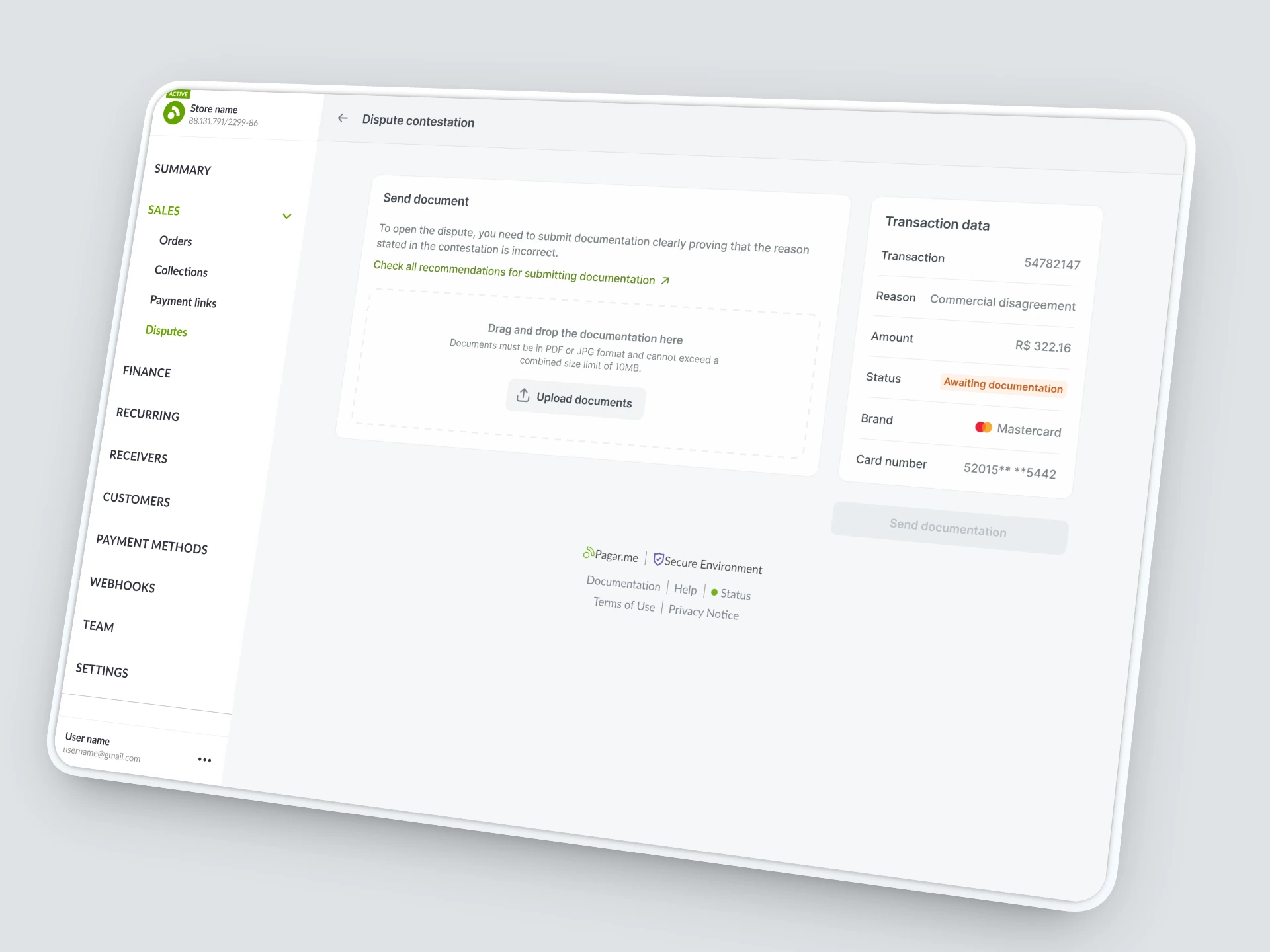
Decision 02
We made the dispute lifecycle impossible to lose track of
Transparency was a top pain. Every chargeback got a detail page with transaction data, deadlines, and a step-by-step tracker from notification to final decision.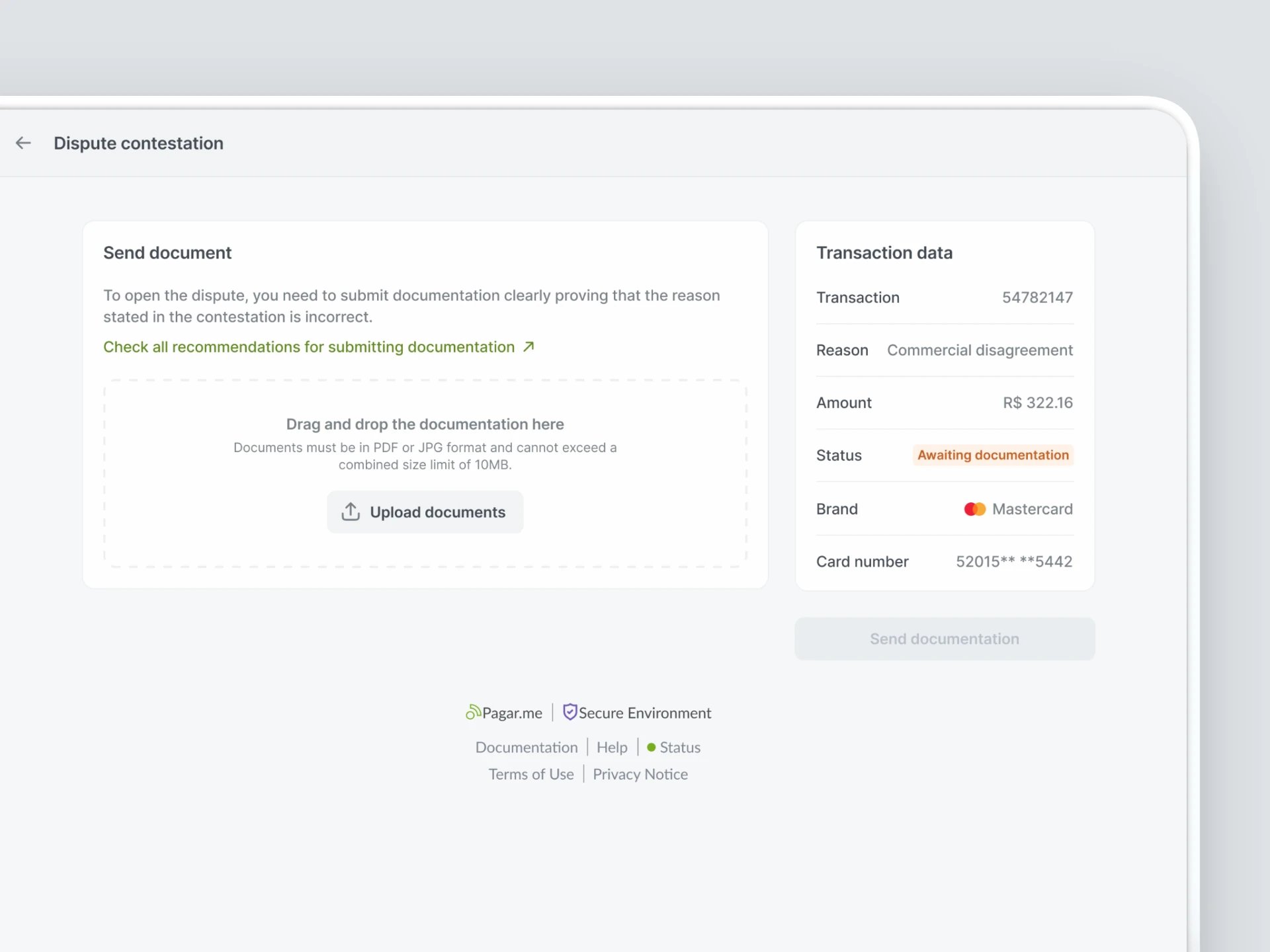
Decision 03
We replaced email disputes with guided submission
Email was where most merchants gave up. Guided in-product submission, with clear instructions and file validation, replaced the bureaucratic back-and-forth.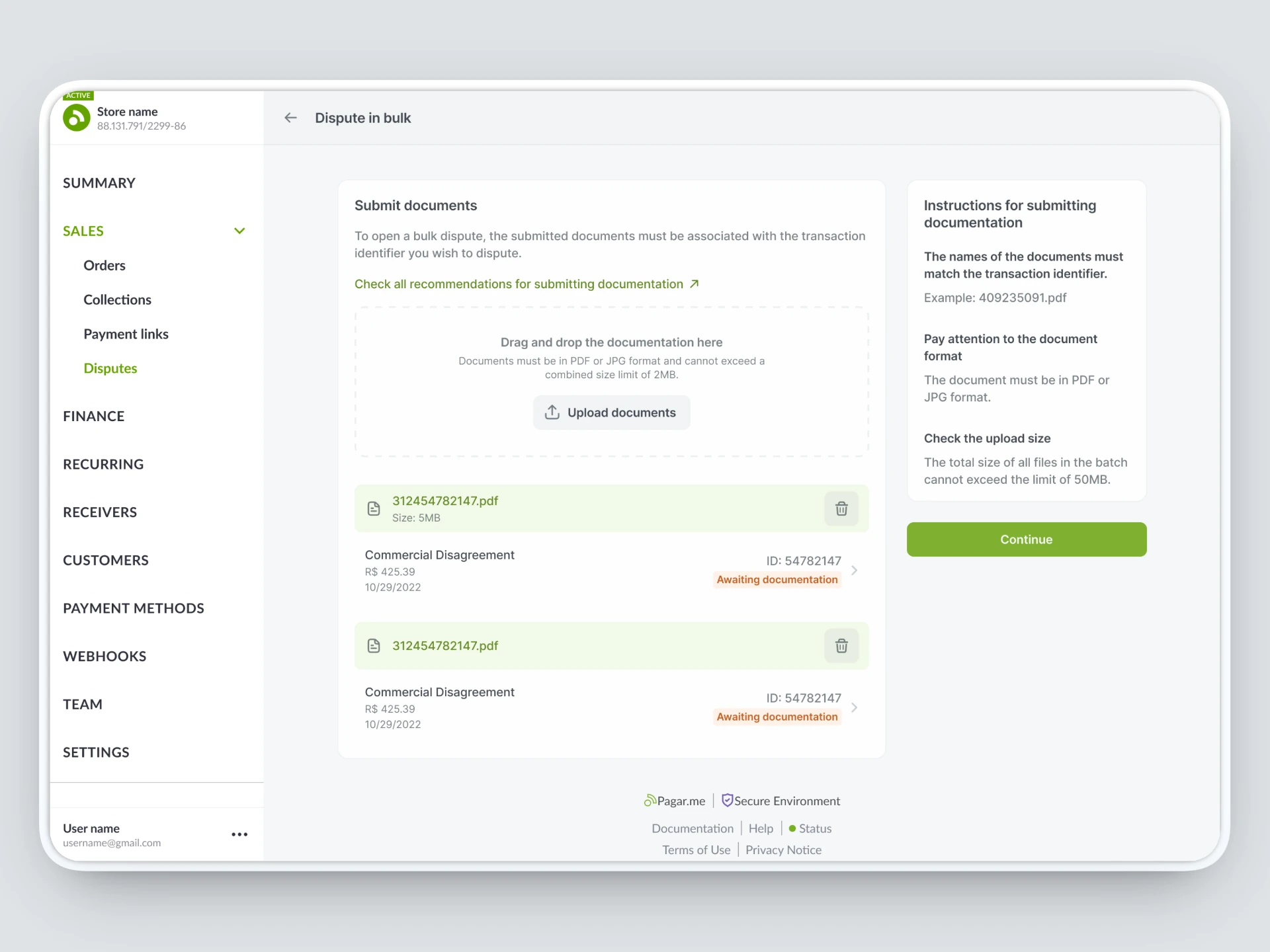
Decision 04
We designed for merchants disputing at scale
High-volume merchants contest dozens at once. Batch submission uploads documentation for multiple disputes in one flow, with per-file matching and validation.We tested with the merchants who suffered most
Validation
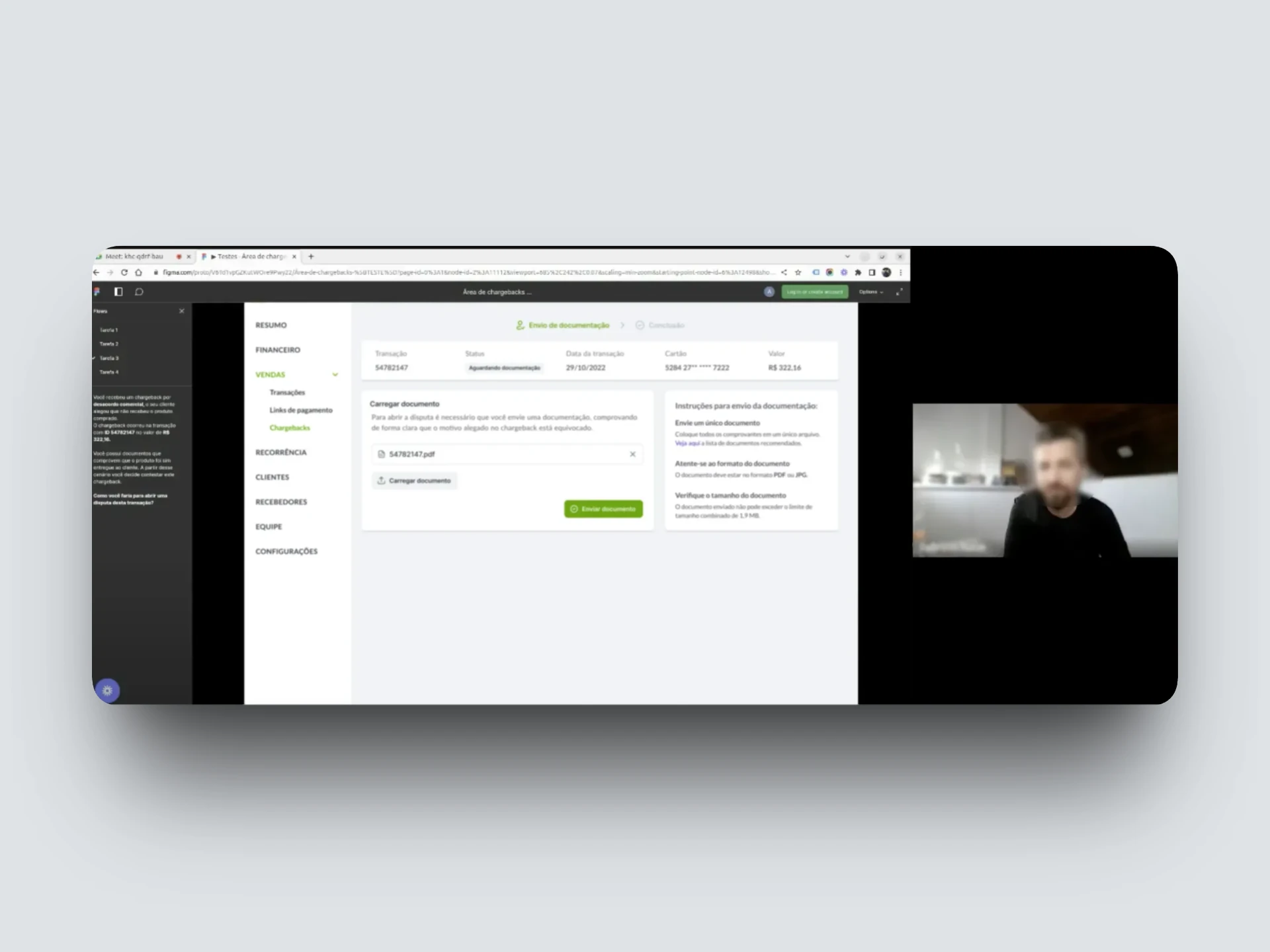
We ran usability tests with the merchants most impacted by chargebacks in the previous year, walking through real-life dispute scenarios. Their feedback shaped the final flows before anything shipped.
Fewer support tickets, more disputes filed
Outcomes
We shipped the new experience in stages, and within a year the numbers turned: chargeback support tickets fell 43.5% while submitted disputes grew 18%. Merchants needed less help, fought more chargebacks, and around R$2.8M in annual sales that used to be written off went back into dispute.Pricing, risk rules, and merchant mix all moved in the same window, so the experience is one factor among several. What the numbers show clearly is the direction: less support needed, more disputes filed.
What designing for disputes taught us
Reflection
Support tickets are researchHundreds of monthly complaints mapped the problem more honestly than any survey could.
Transparency changed behaviorMerchants disputed more once they could see progress, before we added a single new capability.
The gap was experience, not capabilityBenchmarking showed competitors had the features. What was missing was a process worth using.
Merchants always wanted to fight chargebacks. We made it worth their time.